18/6/2026
Eimskip Opens New Refrigeration and Freezer Facility: Strengthens North Atlantic Supply
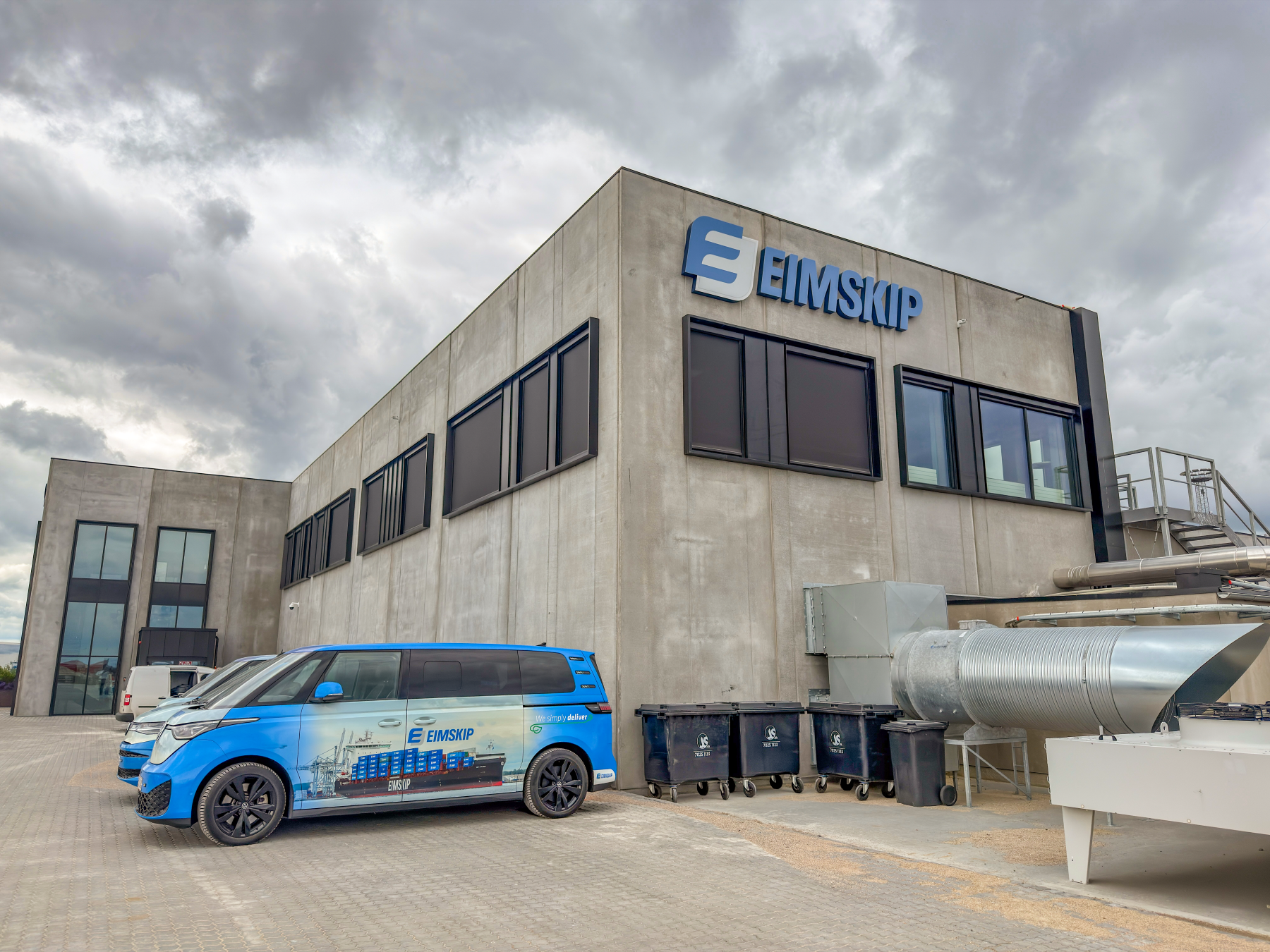
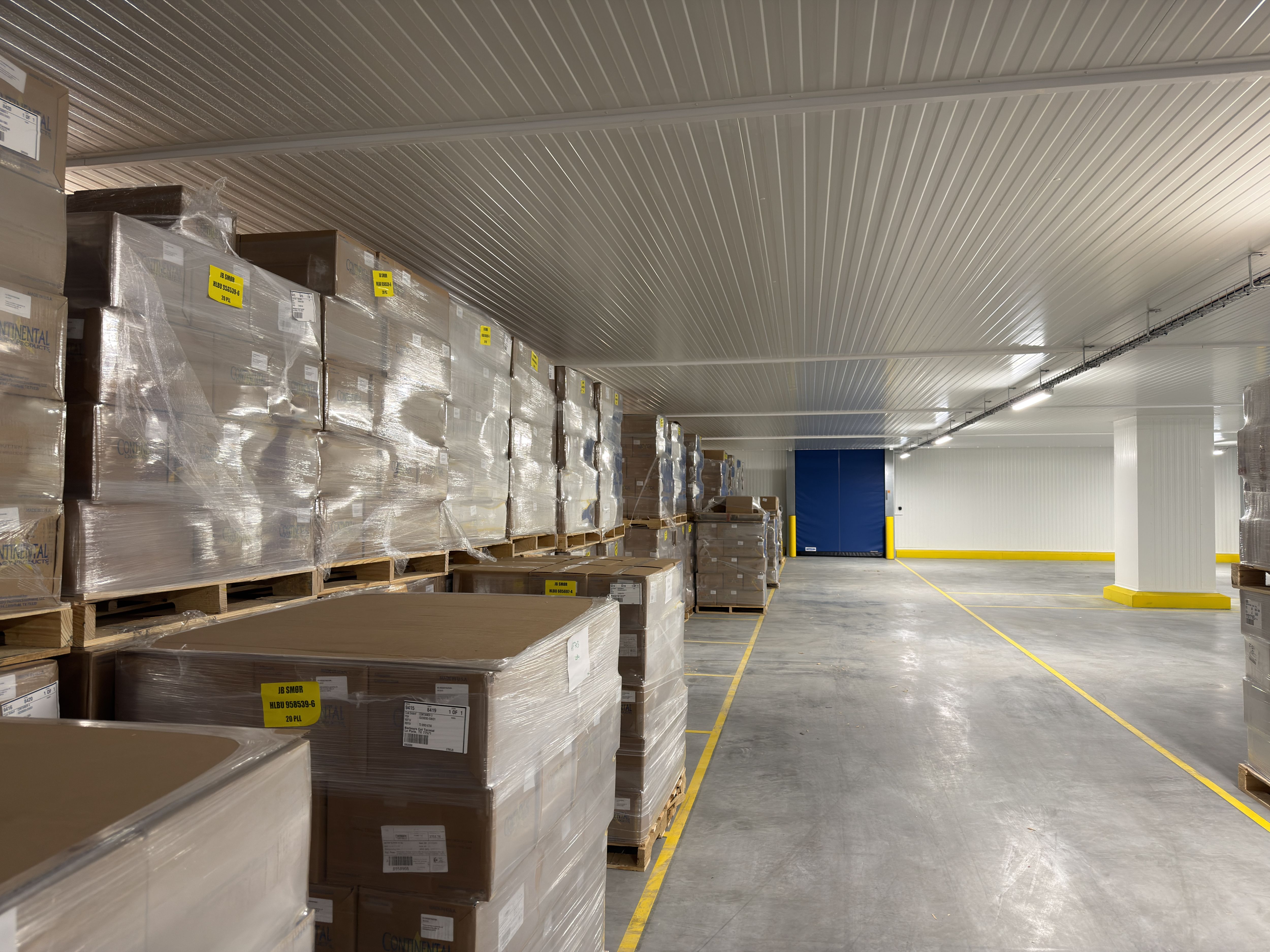
There's now more space for ice-cold cargo at the Port of Aarhus. The shipping company Eimskip has just opened its new 4,500 square meter refrigeration and freezer facilities, where they will handle the increasing volumes of cargo shipped between Denmark and the North Atlantic.
Located next to the container terminal on Østhavnsvej, the Icelandic shipping company ensures efficient and gentle handling of refrigerated and frozen goods arriving in and departing from Denmark.
I am very proud. We are ensuring that we can handle refrigerated and frozen goods coming to and from the North Atlantic, which is a very important region with high volumes. These are nations with whom Denmark cooperates and trades extensively,
says Thomas Breth Clausen, Managing Director at Eimskip Denmark.
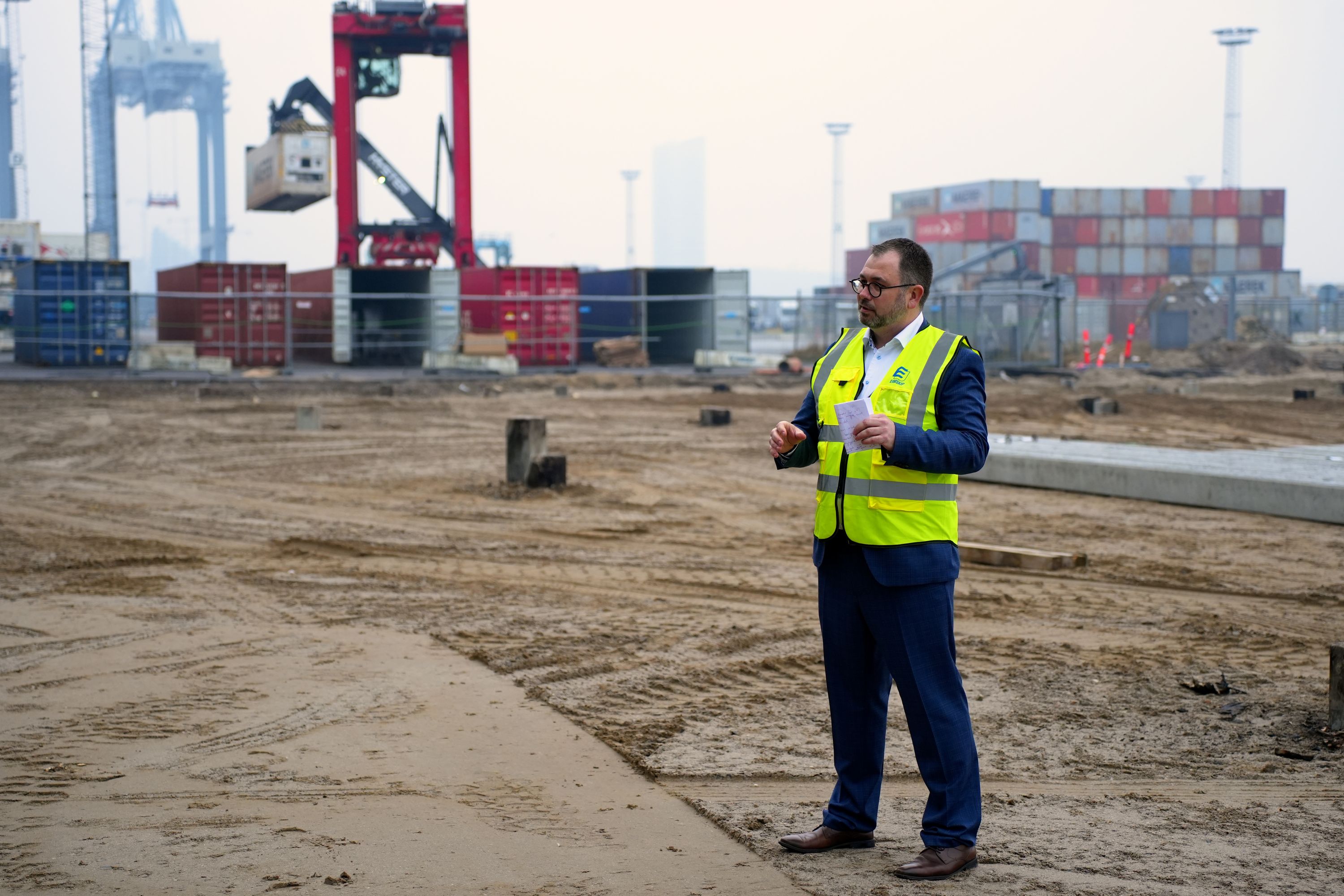
Eimskip Denmark celebrated its 25th anniversary this year, and over time, they have played an increasing role in the supply chain to the North.
And it's an increasingly vital role. Today, all cargo shipped between Denmark and Greenland passes through the Port of Aarhus.
We are delighted that an important company like Eimskip chooses to invest in long-term logistical solutions at the port. This will strengthen the supply chain, which is one of our central roles as critical infrastructure,
says Jesper Skatka, Commercial Manager at Port of Aarhus.
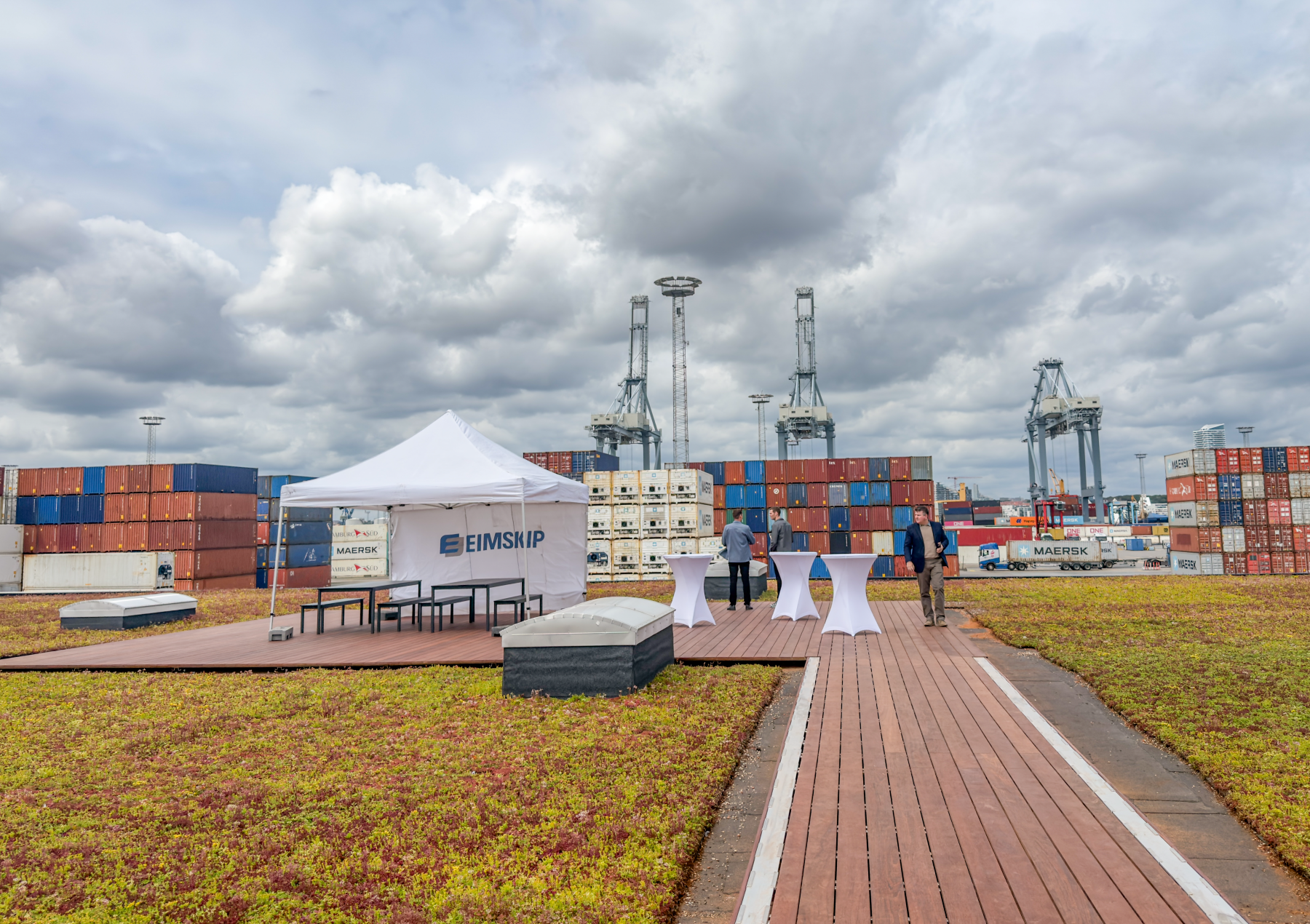
The new building is already in use, with goods being handled daily in and out of the cold storage rooms. A large portion of the cargo consists of fish and seafood from the North Atlantic, which must be stored at -25 degrees Celsius.
The energy required for cooling largely comes from solar panels installed on the roof.
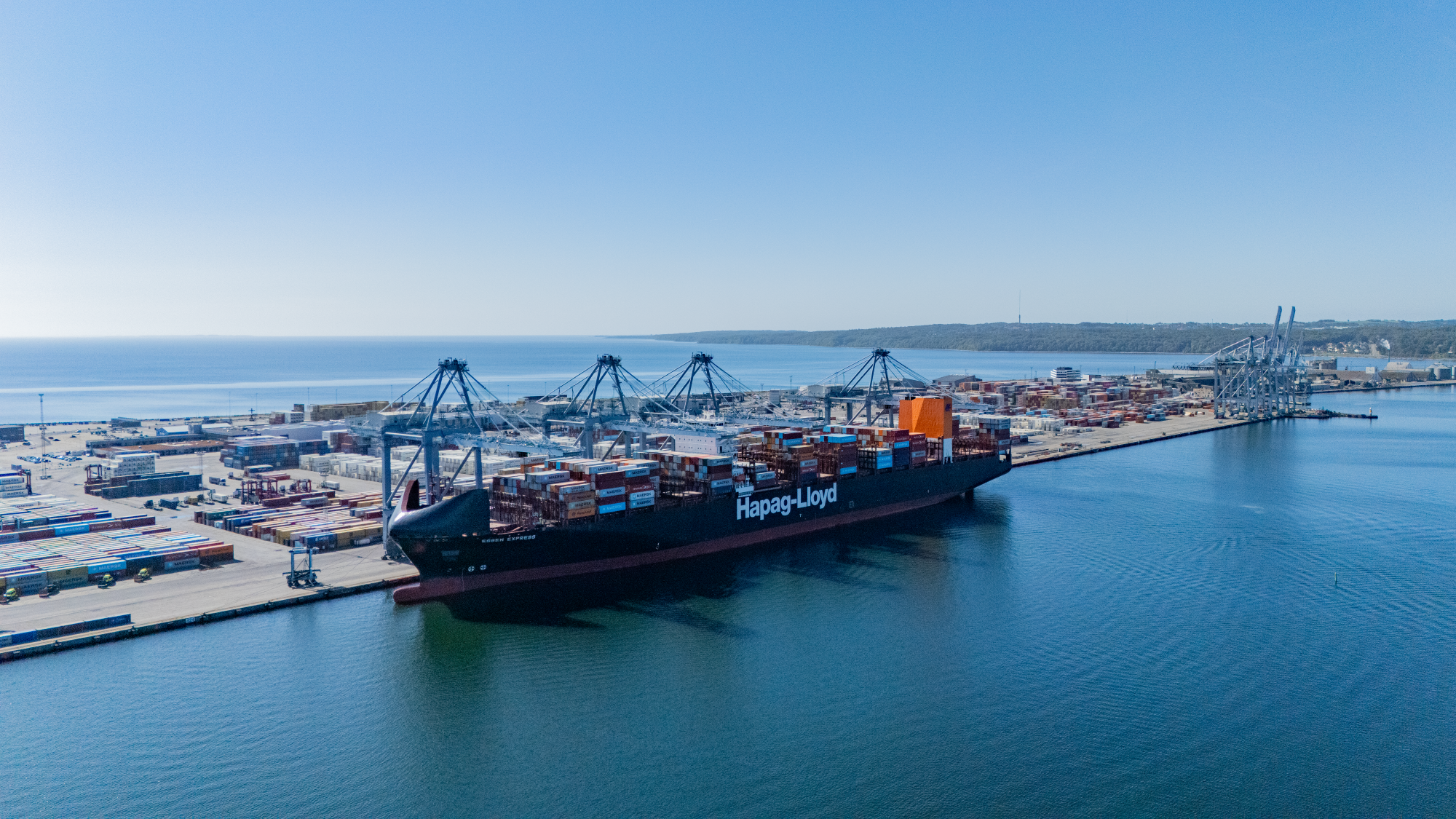
From the Port of Aarhus, the cargo is distributed further to the rest of the world by container ships.
We are proud of our location at the Port of Aarhus. With the new facilities right next to the container terminal, we achieve more efficient handling of goods and can ensure that refrigerated and frozen cargo can quickly move on,
says Thomas Breth Clausen.