29/4/2026
Denmark’s largest commercial port delivers record results in an unpredictable year
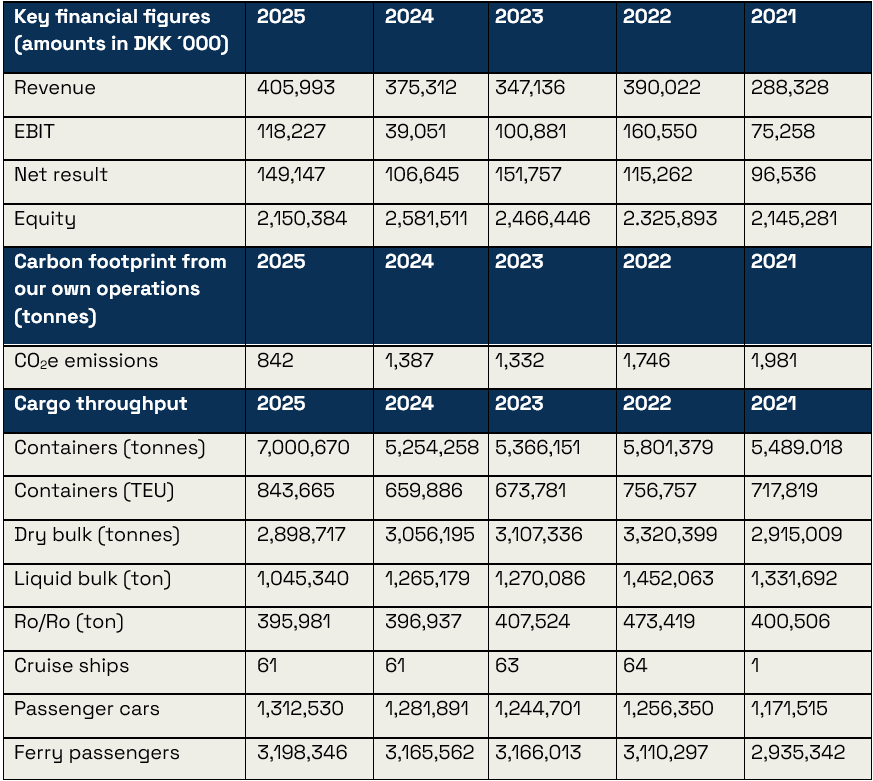
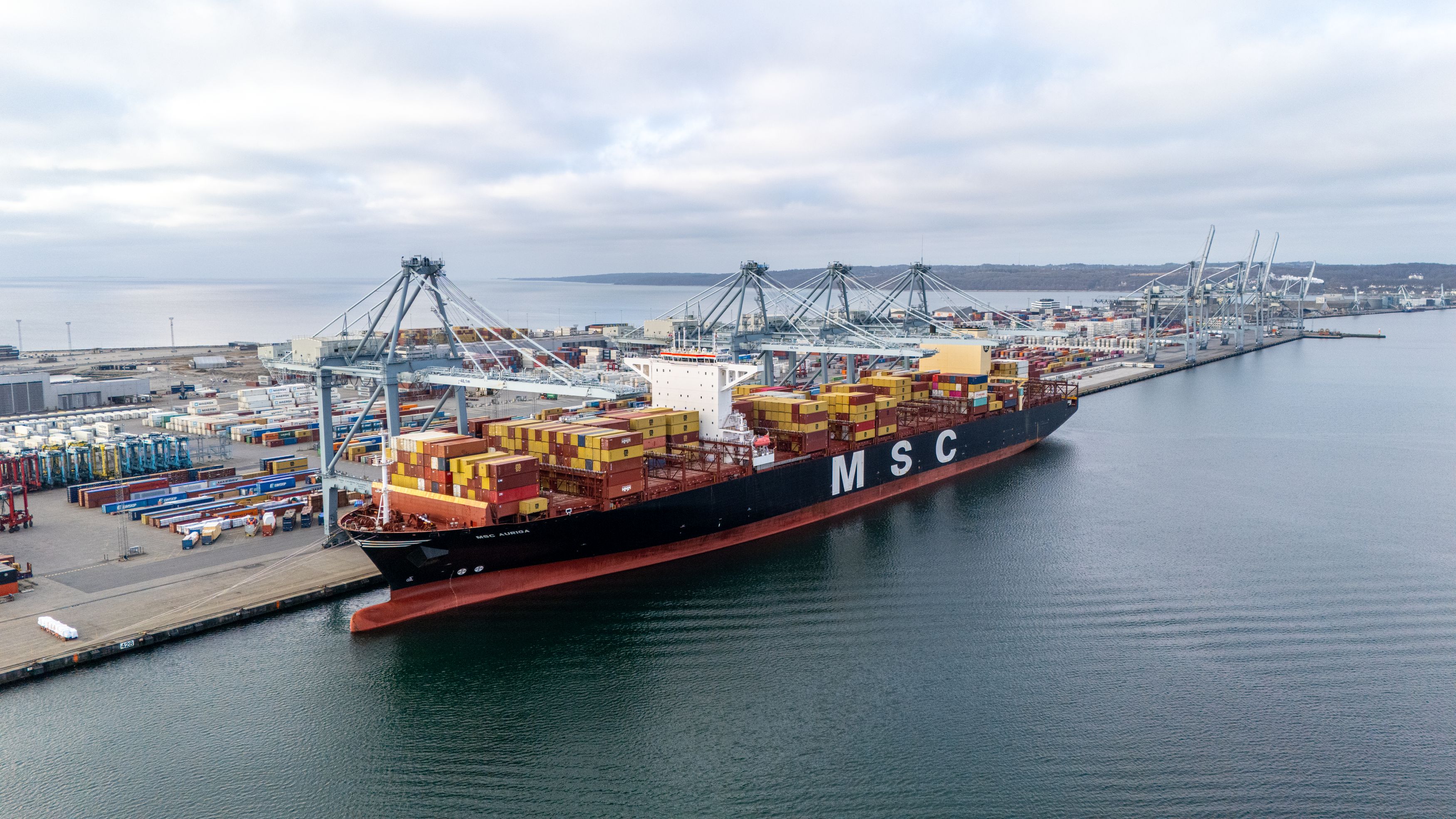
The Port of Aarhus closed 2025 with one of the strongest results in its 180‑year history and set a new Danish record for container throughput.
In a year marked by geopolitical tensions and global uncertainty, Denmark’s largest commercial port achieved revenue of DKK 406 million, representing an increase of 8% compared to 2024. At the same time, EBIT rose by more than 200% to DKK 118 million.
The performance was driven primarily by record‑high container throughput. The Port of Aarhus also increased its market share and now handles more than 72% of Denmark’s containermarket.
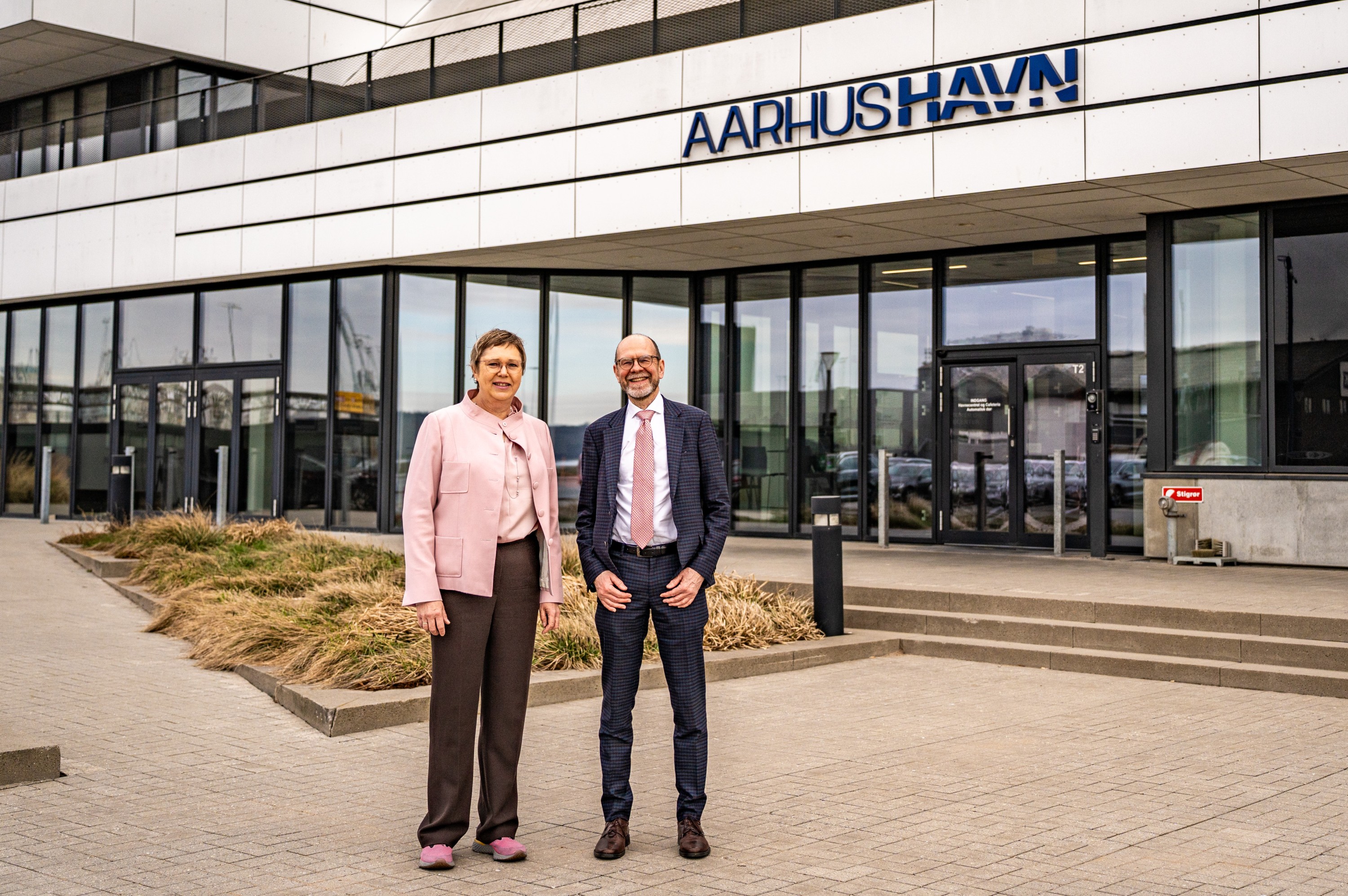
- We are presenting a strong result in a year characterised by turmoil, bottlenecks and unpredictability in the world around us. This is a result we have only been able to achieve because employees, customers, partners and the wider business community have all pulled in the same direction and have been able to adapt quickly. It has demanded a great deal from everyone, and it underscores Port of Aarhus’ ability to navigate in uncertainty while continuing to develop the business and strengthen our position, says Kåre Clemmesen, Interim CEO of Port of Aarhus.
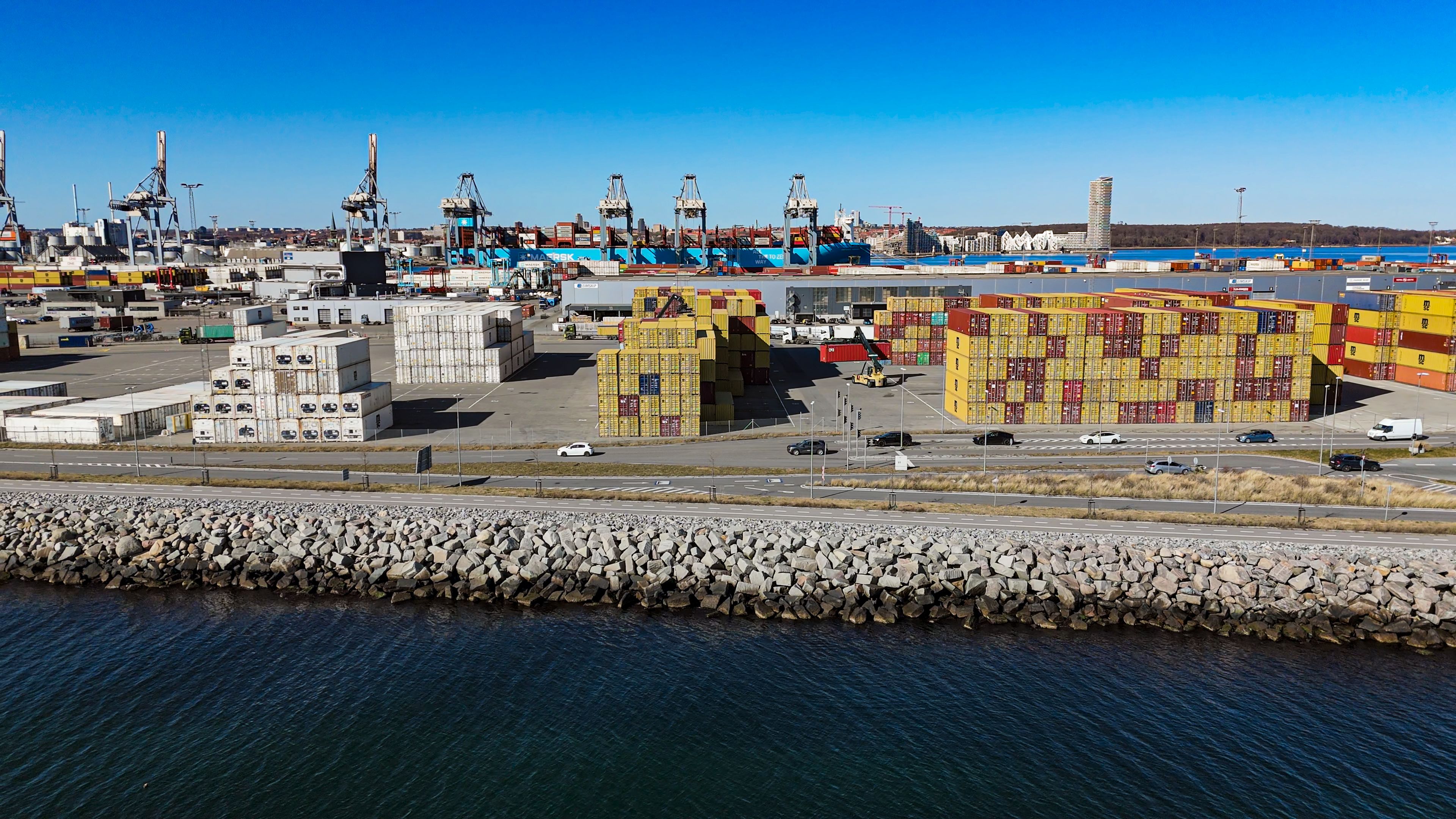
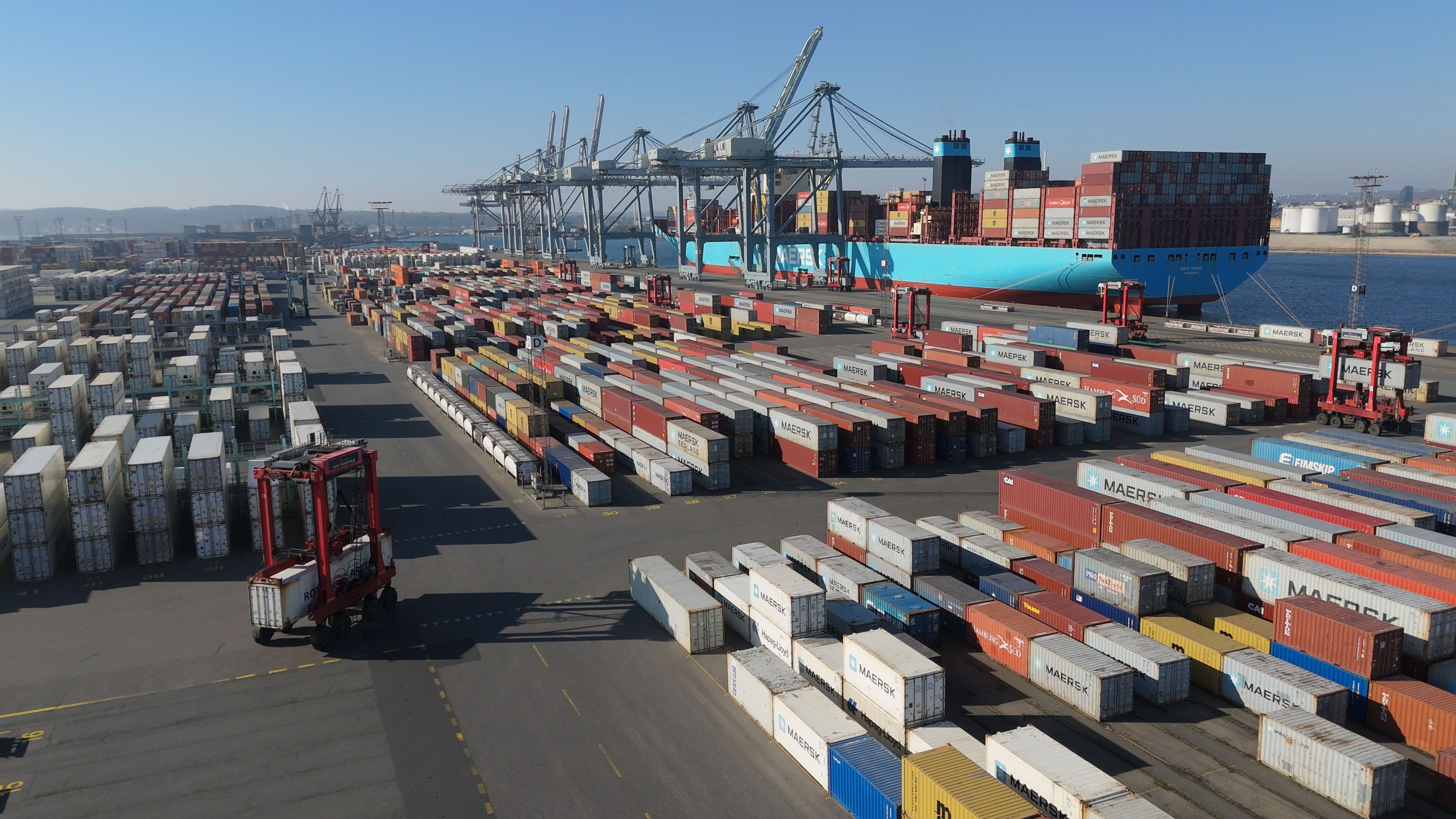
In 2025, 843,665 TEU(20‑foot containers) were handled across the quay at the container terminal at Østhavnen in Aarhus. This represents an increase of almost 28% compared to 2024 and sets a new Danish record. The growth has largely been driven by a higher volume of transhipment containers as a result of extraordinary capacity pressure at other major European ports.
Total cargo throughput amounted to 11,340,708 tonnes.
- The Board is very pleased with this strong result, which clearly demonstrates a competitive and highly adaptable port. We are built on a strong foundation and benefit from a close and trust‑based collaboration with our owner, which is crucial to our continued development and our ability to make the right strategic priorities. This provides a solid basis for increasing our investments in infrastructure, safety and emergency preparedness — and not least in the green transition. Ultimately, this is about ensuring stable supplies for businesses and citizens in a world where uncertainty increasingly appears to be the new normal, says Susanne Juhl, Port of Aarhus’ Chair of the Board.
Despite the high level of activity across the port area, Port of Aarhus has reduced CO₂ emissions from its own operations by 39% compared with 2024. The port therefore remains on track towards its goal of achieving CO₂ neutrality in its own operations by 2030.